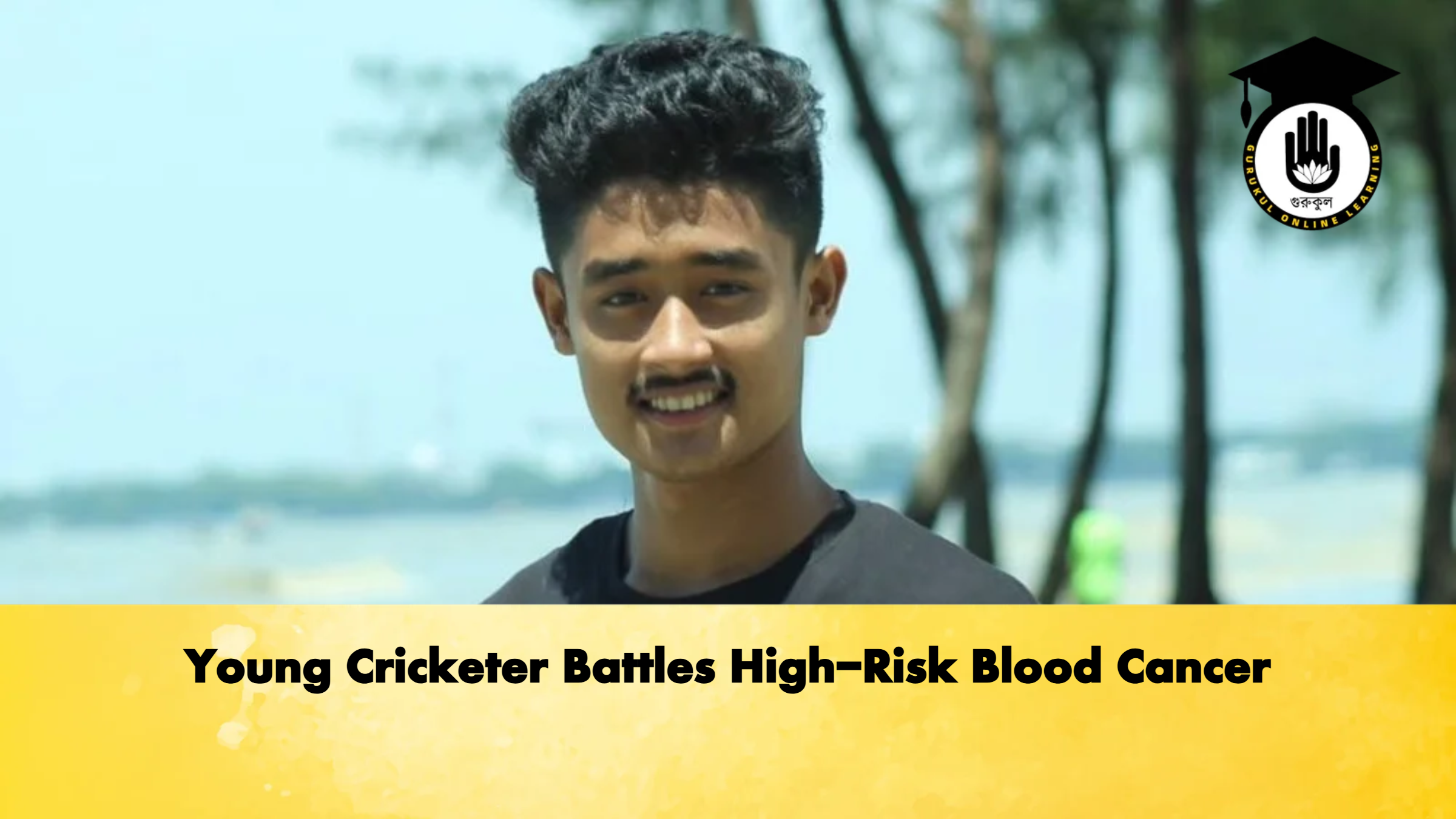
A promising under-18 pace bowler, Mehedi Hasan Hriday, is currently fighting for his life at the National Cancer Institute and Hospital in Dhaka after being diagnosed with a high-risk form of blood cancer. Doctors have identified the condition as a serious haematological malignancy affecting the bone marrow and blood system, requiring intensive chemotherapy and close medical supervision.
Hriday had been suffering from unexplained health complications for some time. Early symptoms did not point clearly towards a single diagnosis, and initial tests conducted at different medical facilities across the country failed to provide a definitive answer. As his condition continued to deteriorate, samples were sent abroad for more advanced laboratory analysis. The results confirmed the devastating diagnosis: a high-risk blood cancer.
The young cricketer hails from Feni and emerged from modest beginnings, gradually building his reputation through determination and discipline. Despite financial hardship, he pursued cricket with consistency and focus. His talent was eventually recognised during Bangladesh Cricket Board age-group trials, where he earned selection into the Chattogram Division Under-18 squad.
Under the guidance of coach Rana Habib, Hriday developed his skills steadily, particularly his pace bowling control and match temperament. His performances improved with experience, allowing him to cement his place in the side. One of his standout moments came in a crucial match against Khulna, where he claimed five wickets in a single spell, drawing the attention of selectors and coaches alike.
Those close to him believe that, had circumstances been different, Hriday had the potential to progress through the domestic pathway and possibly contend for higher honours in national age-group structures. His progress, however, has been abruptly halted by the severity of his illness.
Beyond his medical condition, the family is facing significant financial strain. Hriday’s father, Abul Kashem, has long been suffering from heart disease and is currently unable to work. With the family’s primary source of income gone, the burden of medical expenses has become overwhelming. Reports indicate that land has already been sold to fund treatment, and savings have been exhausted.
His ongoing treatment requires prolonged chemotherapy and specialised care, both of which are costly and continuous. As a result, the family has appealed for financial assistance from the Bangladesh Cricket Board, sports organisations, former and current cricketers, and members of the public who may be willing to offer support.
The family has also stated that all relevant medical documents can be provided for verification, and arrangements have been made for those wishing to contribute or coordinate assistance.
Hriday’s situation has drawn attention within the cricket community, highlighting not only the fragility of sporting careers but also the urgent realities faced by athletes from underprivileged backgrounds. For now, the focus remains on his treatment and survival, with hope resting on collective compassion and timely medical support.