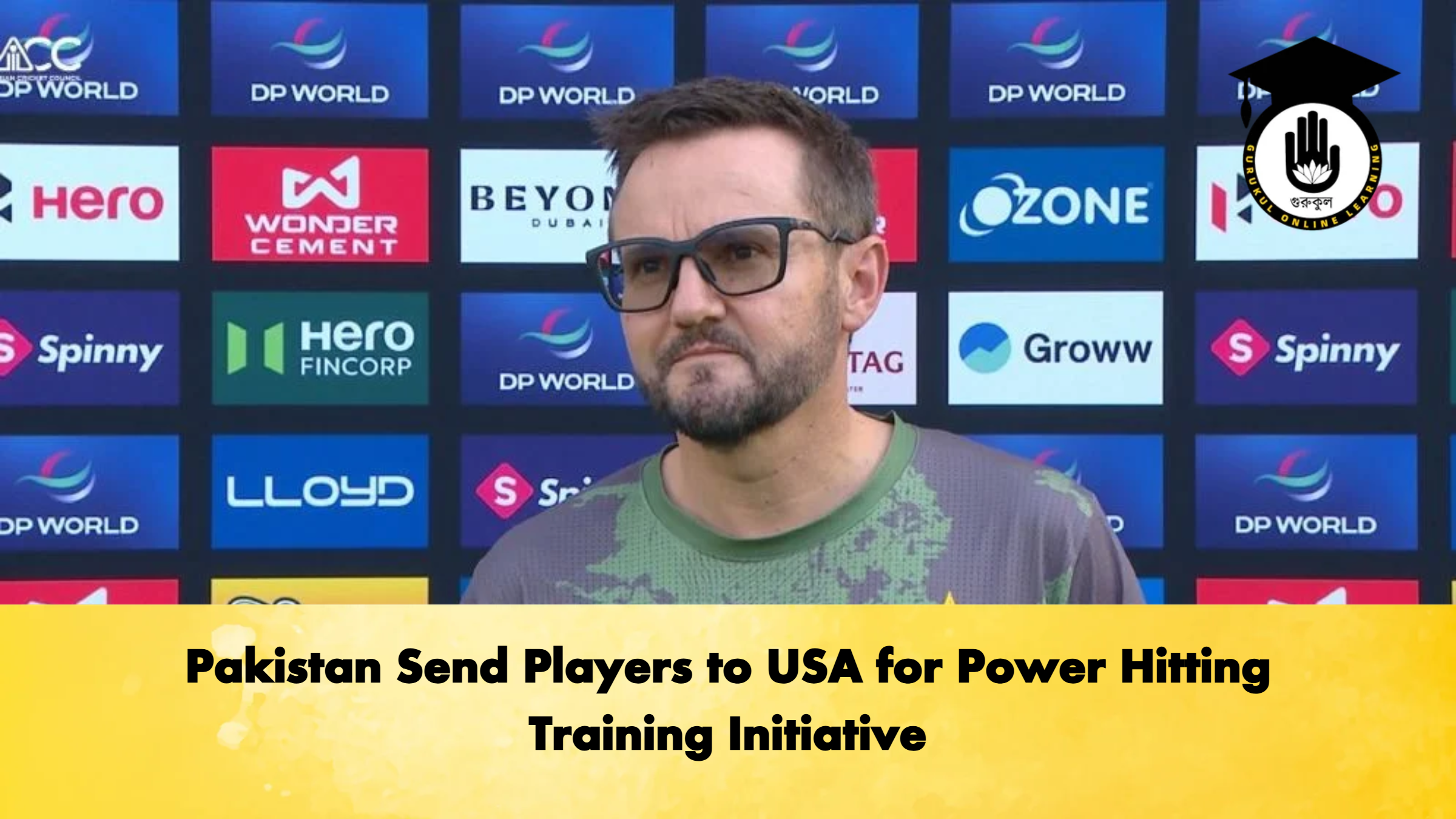
Modern limited-overs cricket is undergoing a rapid transformation, with the ability to clear boundaries consistently becoming a decisive factor in match outcomes. Against this backdrop, the Pakistan Cricket Board has taken a forward-looking step by planning to send selected national team players to the United States for specialised power-hitting training.
The initiative is aimed at equipping batters with modern techniques that go beyond traditional stroke play. In contemporary white-ball cricket, raw timing alone is no longer sufficient. Players are increasingly required to combine strength, bat speed, game awareness and situational decision-making to maximise scoring opportunities under pressure.
Pakistan’s ODI head coach, Mike Hesson, has expressed strong support for the move, highlighting the growing reputation of training environments in the United States that focus on explosive hitting techniques. He suggested that such programmes offer structured, science-driven methods designed to improve a batter’s ability to generate power without compromising balance or control.
According to Hesson, international cricket has become significantly more competitive, particularly in limited-overs formats where run rates continue to rise. As a result, teams must constantly evolve their batting approach. The planned overseas training stint is expected to expose players to alternative coaching philosophies and innovative practice routines that are not always available in traditional cricketing systems.
The coaching staff also believe that adapting to varied training conditions can improve a player’s mental resilience. Practising in unfamiliar environments is seen as a way to strengthen decision-making skills, especially in high-pressure match situations where quick scoring is essential.
Alongside batting development, Hesson addressed broader aspects of squad management, including fitness standards and injury prevention. He noted that Pakistan’s medical and conditioning departments are refining their training structures to enhance player durability and reduce the likelihood of recurring injuries.
While fast bowlers often face intense physical demands, Hesson stressed that Pakistan’s injury rates among pacers are not unusually high compared with other international teams. However, maintaining consistency across long tours requires continuous attention to workload management and recovery protocols.
He also offered an assessment of young fast bowler Ali Raza, indicating that while the talent is evident, further physical development is necessary to meet the demands of international cricket. Strength conditioning, disciplined training routines and sustained fitness work were identified as key areas for improvement.
Overall, the decision to send players abroad for specialised power-hitting training reflects Pakistan cricket’s intention to adapt to the evolving demands of the modern game. The move is widely viewed as part of a broader strategy to build a more aggressive and competitive limited-overs side capable of matching the highest international standards.