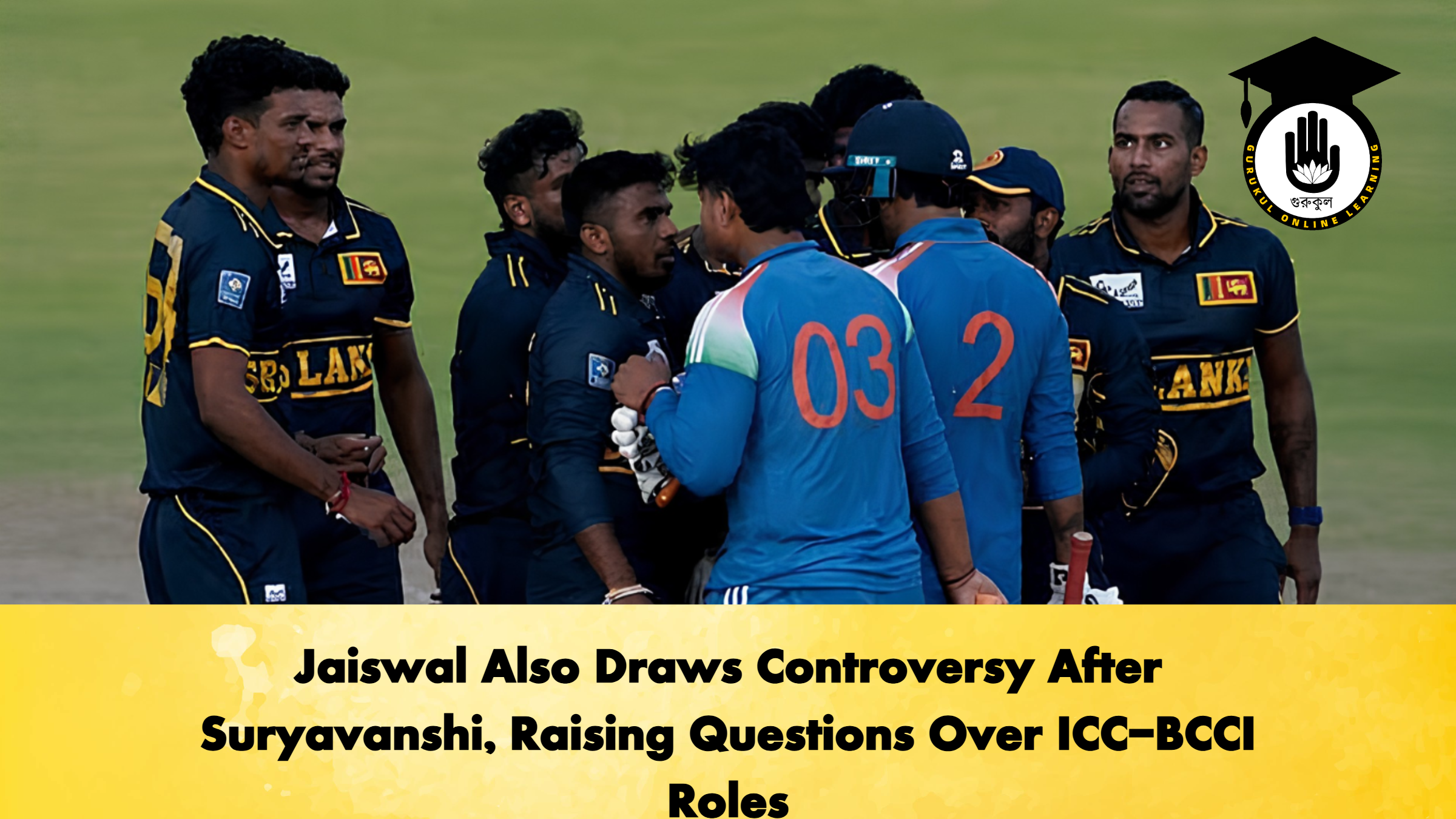
Friction and fierce competition have always been woven into the fabric of cricket. Banter, aggressive celebrations, and verbal sparring are widely accepted as part of the emotional theatre that makes the sport so compelling. Yet, a troubling line is crossed when competitive heat spills over into physical confrontations or aggressive altercations on the pitch. Recent disciplinary incidents involving young Indian talents Vaibhav Suryavanshi and Yashasvi Jaiswal have reignited a pressing debate regarding player conduct, on-field discipline, and whether governing bodies are doing enough to clamp down on rising indiscipline.
Both players managed to evade severe sanctions following their respective controversies, a lenient approach that has drawn sharp criticism from former Indian cricketer and prominent commentator Sanjay Manjrekar. Taking to the social media platform X, Manjrekar voiced his deep concerns regarding the perceived leniency shown by authorities. He highlighted how continuous tolerance toward such aggressive behavior effectively normalises it for developing players. In his stinging critique aimed at the International Cricket Council and the Board of Control for Cricket in India, he warned that repeatedly letting players off the hook essentially teaches them to repeat these mistakes. He stressed that such leniency not only damages the spirit and reputation of the game but ultimately harms the long-term professional futures of the young athletes themselves.
The controversy surrounding Jaiswal unfolded dramatically on the opening day of a Test match in Colombo. After being dismissed by Sri Lankan fast bowler Asitha Fernando, the Indian opening batsman found himself at the centre of a heated exchange. As Fernando launched into an aggressive wicket-taking celebration, Jaiswal, trudging off toward the dressing room, reacted to the provocation, leading to a tense physical and verbal confrontation that nearly boiled over. The charged atmosphere in Sri Lanka already carried significant baggage, but the lack of immediate disciplinary action has left pundits questioning match officials.
This incident follows closely on the heels of a similar controversy involving young prodigy Vaibhav Suryavanshi during an India Under-19 fixture, where fiery exchanges and near-physical run-ins with opponents also raised eyebrows. When elite young prospects represent their country on the global stage, their actions inevitably set a precedent for millions of aspiring players watching from home. While umpires and match referees often issue informal warnings or let minor flare-ups slide, cricket analysts argue that a lack of stringent punishments risks creating a culture of impunity. The overarching message from former players and observers remains clear: regardless of a player’s immense talent, the foundational values of sportsmanship, mutual respect, and discipline must never be compromised. As pressure mounts on the game’s administrators, cricket enthusiasts wait to see if the ICC and BCCI will adopt a more uncompromising stance to curb rising on-field aggression before it spirals completely out of control.