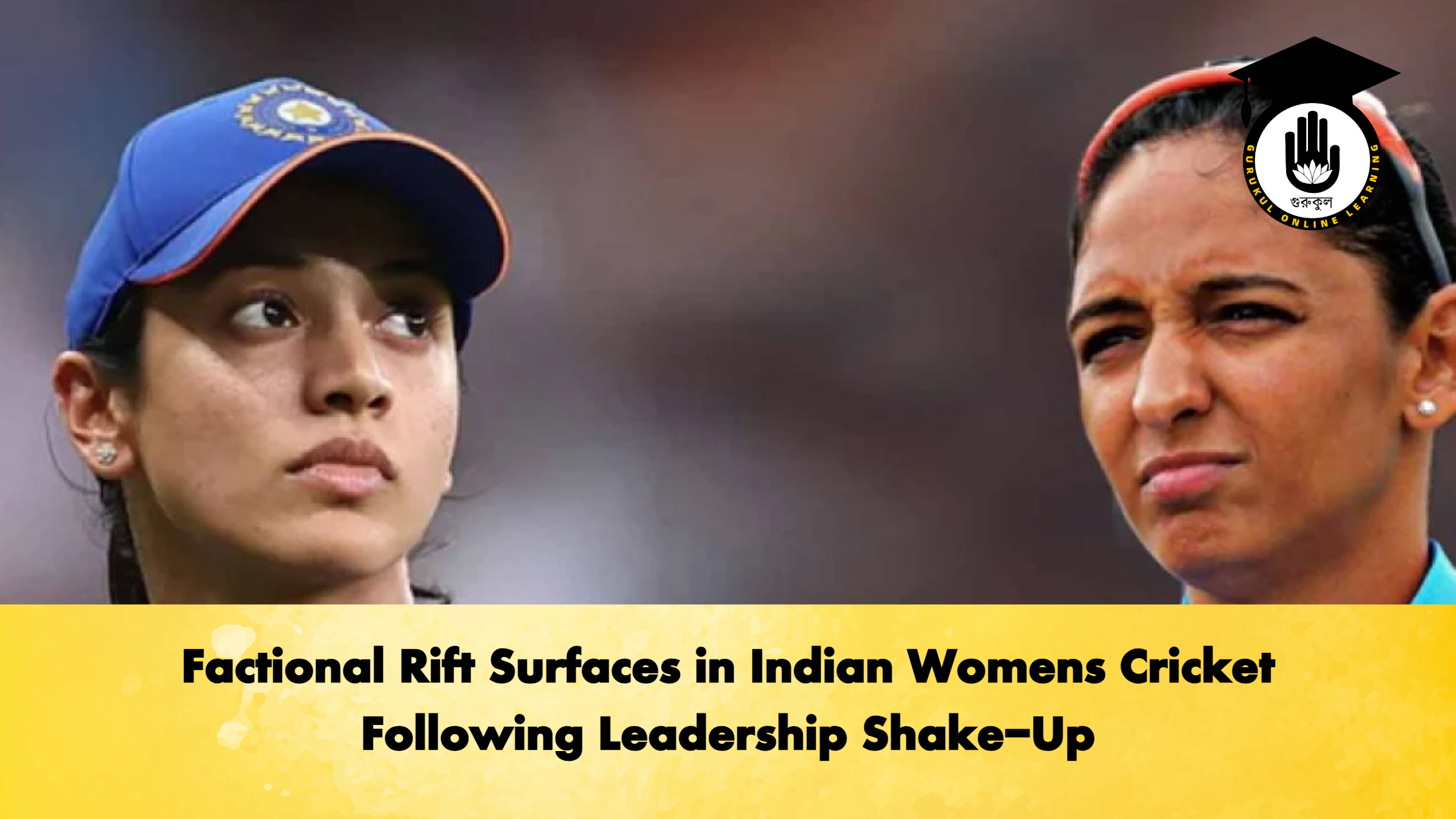
A deep fissure has emerged within the Indian women’s cricket team following the resignation of Harmanpreet Kaur as all-format captain and the subsequent appointment of Smriti Mandhana as her successor. Reports of personal friction between the two stalwart cricketers have laid bare underlying tensions and factionalism within the national dressing room.
According to a report by news agency Press Trust of India (PTI), quoting a team source, the relationship between Kaur and Mandhana has frayed to the point where they are no longer on speaking terms, creating an uncomfortable and delicate atmosphere for the rest of the squad.
The leadership transition unfolded rapidly after India’s disappointing exit in the knockout stages of the recent ICC Women’s T20 World Cup. Following the defeat, the national selection panel deemed it time to transition away from the 37-year-old Kaur in the shortest format, seeking a fresh approach for the future. Selectors initially proposed a split leadership role, suggesting that Kaur retain the captaincy for One Day Internationals and Test matches while relinquishing the T20I mantle. However, Kaur declined the compromise, opting instead to step down completely across all three formats.
With Kaur vacating the post, the selectors promptly elevated vice-captain Smriti Mandhana to the top job. Yet, insiders suggest that resentment had been simmering well before this official handover. Mandhana had reportedly harboured leadership ambitions for some time, though selectors initially maintained unwavering faith in Kaur—the skipper who led India to their maiden ICC trophy. This stance allegedly created unspoken frustration for Mandhana, which intensified over recent seasons.
The cracks were further highlighted by public observations from former India captain Mithali Raj, who remarked in the aftermath of the T20 World Cup debacle that Mandhana ought to have been handed the ODI captaincy two or three years ago.
As the team prepares for its upcoming international assignments under Mandhana’s stewardship, the board and management face the immediate challenge of mending dressing-room harmony and ensuring these internal dynamics do not derail the squad’s performance on the field.