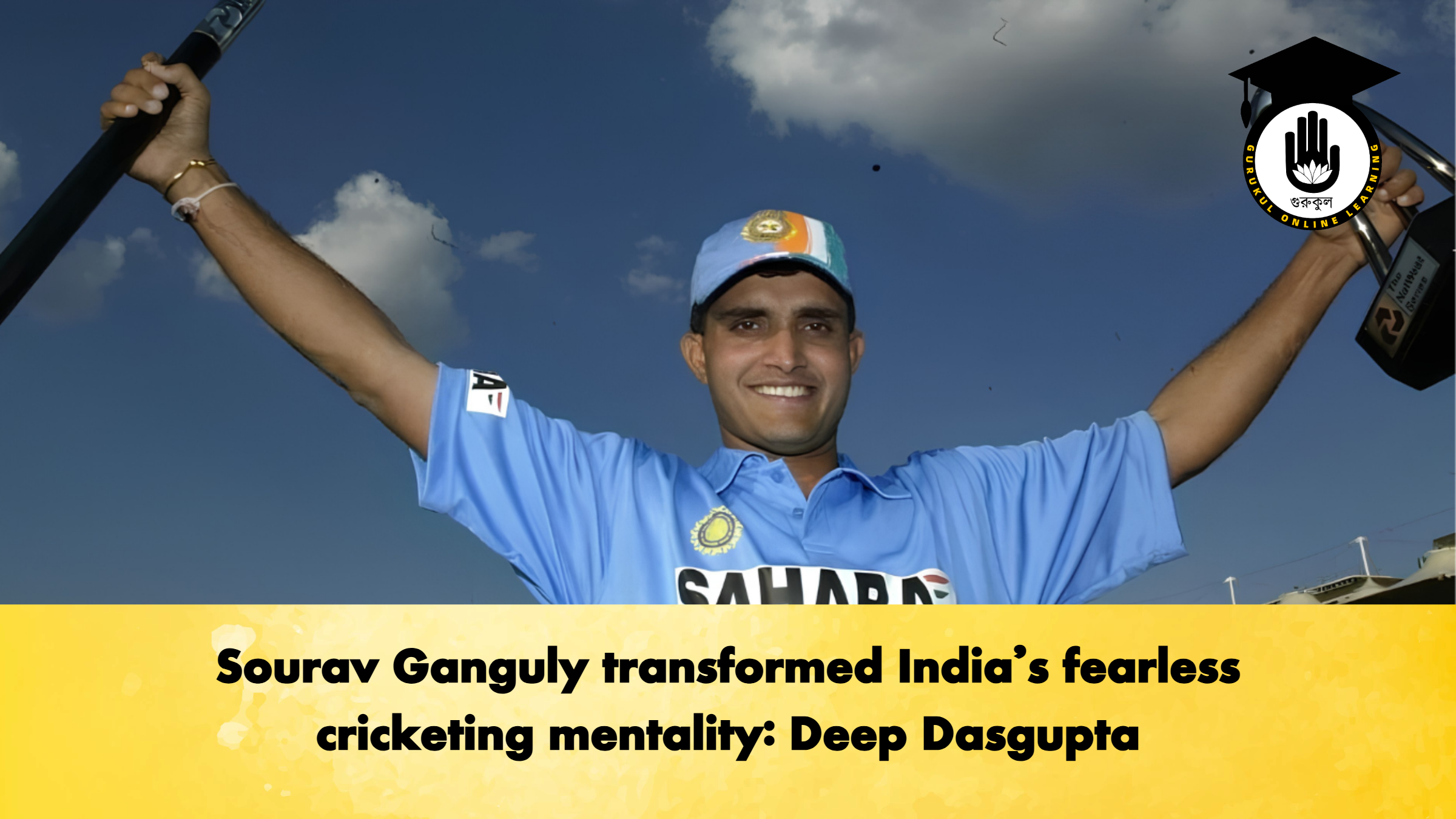
International cricket has long witnessed verbal sparring and tactical intimidation, but the culture of submissive silence within the Indian dressing room underwent a radical shift at the turn of the century. According to former India wicketkeeper and batter Deep Dasgupta, the credit for reshaping the national team’s psychological posture goes squarely to former captain Sourav Ganguly. Under Ganguly’s aggressive stewardship, the Indian side discarded its traditional cautious demeanor, learning to look formidable opponents straight in the eye and return verbal fire with sporting defiance.
Speaking on Doordarshan’s programme The Great Indian Cricket Show, Dasgupta reflected on the profound transformation in team culture that occurred during Ganguly’s tenure. Having represented India across eight Test matches and five One Day Internationals, Dasgupta observed firsthand the changing dynamics of the squad. Historically, Indian cricketers were encouraged to bottle up their frustrations, channeling anger exclusively into performance rather than engaging in on-field altercations. Ganguly dismantled this passive mindset, instilling a belief that external sledging and aggressive opposition tactics warranted an immediate, assertive response.
Statistical records underscore the immense impact of Ganguly’s captaincy era. Across all international formats, he marshalled the Indian team in 196 matches, securing 97 victories against 79 defeats, alongside 15 draws. His Test leadership proved particularly transformative, yielding 21 wins from 49 matches, with 13 losses and 15 draws. This fierce competitive foundation later empowered successors like Mahendra Singh Dhoni and Virat Kohli to push Indian cricket to unprecedented global heights, especially in overseas conditions.
Highlighting the timeline of this cultural evolution, Dasgupta pointed to the period between the historic 2001 home series against Australia and the fiercely contested 2003–04 tour Down Under. Within this window, the personality of the squad shifted decisively. Affectionately nicknamed ‘Maharaja’, Ganguly exuded an unshakeable inner royalty and self-belief, an aura that quickly permeated the entire squad. Rather than keeping emotions locked away, players began expressing their competitive fire openly.
Ganguly’s aggressive captaincy coincided with several landmark achievements that redefined modern Indian cricket. Under his guidance, India reached the final of the 2003 Cricket World Cup in South Africa, staged an unforgettable run-chase to clinch the NatWest Series at Lord’s in 2002, and shared the ICC Champions Trophy with Sri Lanka in 2002 following weather interruptions. Domestically, his leadership masterminded the legendary 2001 Border-Gavaskar Trophy victory against Steve Waugh’s all-conquering Australians, supplemented by iconic away Test victories at Headingley in 2002 and Adelaide in 2003. This fearless blueprint laid the bedrock for India’s current status as a powerhouse capable of conquering any challenge globally.