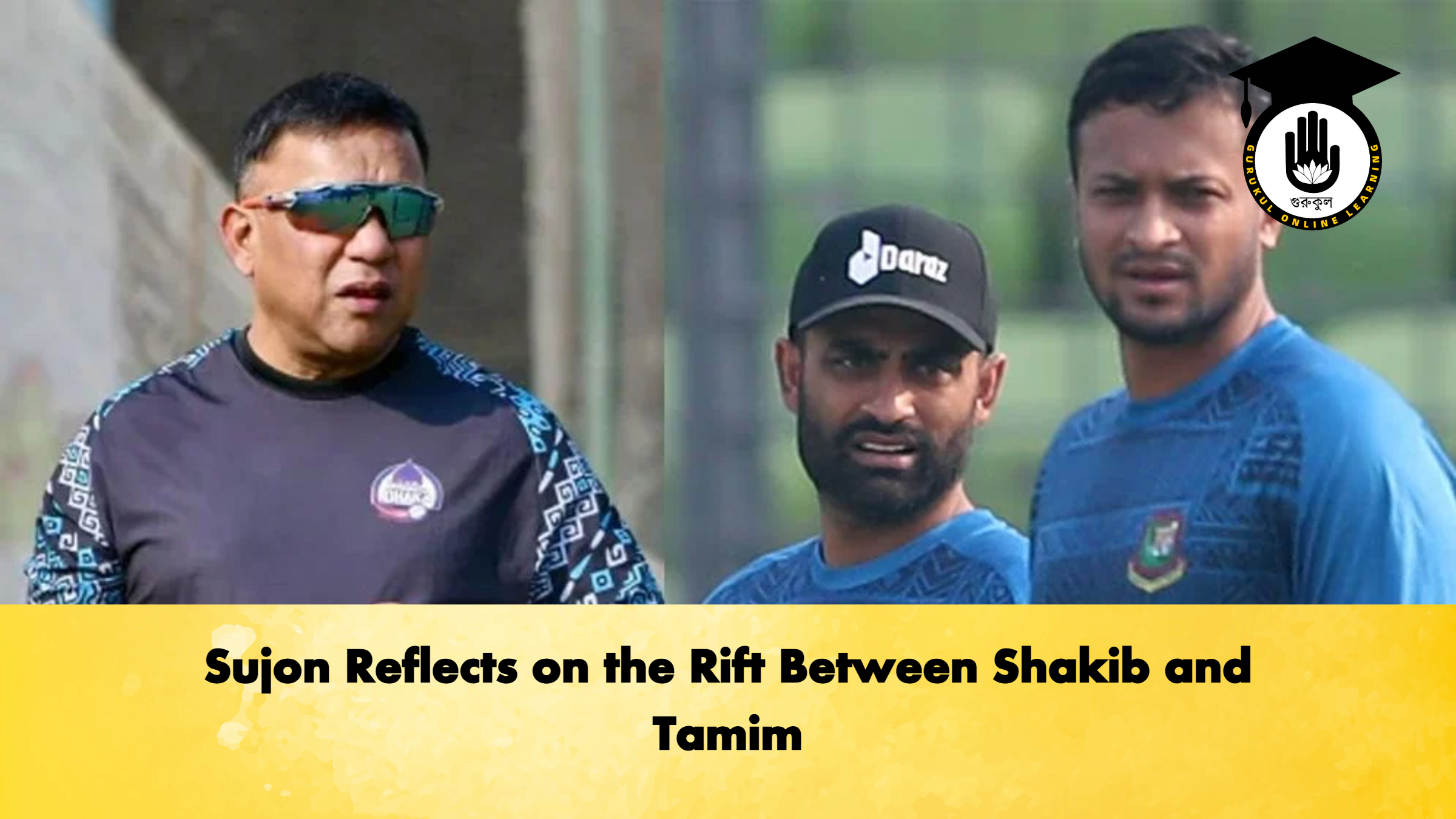
A personal rift between Shakib Al Hasan and Tamim Iqbal, two titans of Bangladesh cricket, morphed over time into an intense rivalry that fascinated fans and confounded selectors alike. For years, the pair were virtually inseparable. As mainstays of the national side, their chemistry was obvious both on the pitch and off it, where they were regularly seen sharing laughs, trading stories, and leading team activities together. Yet as time passed, that close bond slowly dissolved into an unmistakable cold distance, sparking endless debate across the country’s cricketing landscape.
Despite the persistent speculation, the exact reasons behind their fallout were never fully brought to light. Both players routinely downplayed the tension in public, choosing instead to emphasize their professional duties. Their shared stance remained clear: personal differences must never be allowed to compromise the national team’s performance.
Reflecting on how the situation unfolded behind the scenes, Khaled Mahmud Sujon, former national team captain and former team director, admitted that he initially failed to notice the growing divide. Having observed their close friendship for years, the breakdown in their relationship came as a complete surprise.
“Initially, it was impossible to fathom,” Sujon recalled. “We knew them as best friends—always together, chatting, hanging out. It was a complete shift.”
Upon realising the extent of the rift, Sujon stepped in to speak with both players directly. He was careful, however, not to overstep boundaries by forcing a personal reconciliation. His primary concern was safeguarding the team environment and ensuring international standards were upheld.
“One day, I sat down with both of them,” Sujon explained. “I heard what was happening, but at the end of the day, it was their personal life. My only plea to them was to ensure that for the sake of the team and the country, this discord did not spill into the public eye.”
Sujon recognised that attempting to dictate personal relationships between senior athletes was neither practical nor appropriate. “They are not children,” he noted. “If someone chooses to avoid another person, I cannot force them to do otherwise. I can instruct under-18 players on what to do, but these are seasoned adults playing for the national team. You simply cannot command them in that manner.”
The tension reached a boiling point in the lead-up to the 2023 ICC Cricket World Cup. Public statements regarding squad selection, preparation, and internal dynamics began to circulate, throwing the dressing room environment into sharp focus and raising awkward questions among supporters and analysts alike.
This breach of internal privacy deeply troubled Sujon, who viewed the team’s inner circle as a sanctuary. “When Shakib first spoke publicly before the 2023 World Cup, it unsettled things,” he said. “Publicly airing these matters… why should dressing room discussions be leaked outside? I strongly dislike that. To me, the dressing room is a family, and what happens inside is a private family affair.”
Once the squad set off for the tournament, team management made a conscious effort to bury the issue and keep the narrative focused strictly on cricket. “When we went on tour, I did not bring up the topic at all,” Sujon added. “I specifically requested that no further discussions be raised about it.”
Addresssing the inevitable loyalties within the squad, Sujon stressed that individual fandoms must take a backseat to sporting merit. While younger players might admire Shakib or idolize Tamim, selection in the final eleven ultimately hinges on productivity with bat and ball.
“There may well be fans of Shakib or fans of Tamim within the squad,” Sujon remarked. “However, professionalism sits far above personal loyalties. Regardless of how big a fan you are, if you do not perform, neither Shakib nor Tamim can secure your place in the team.”
Despite the public friction, Sujon maintained that the personal distance between the two icons was not the direct cause of Bangladesh’s struggles on the field. On match day, both players remained driven by pride, professional duty, and their commitment to the national shirt.
“I agree with Shakib and Tamim on one key point: their personal distance was not the reason for the team’s poor results,” Sujon affirmed. “At the end of the day, everyone wants to perform. This is not a neighbourhood club where someone can walk off in a huff and refuse to bat. International cricket is your livelihood, your honour, and your glory. You are obligated to perform, and there were no compromises on that front.”
While the changing dynamics between Shakib and Tamim remain one of the most talked-about chapters in modern Bangladesh cricket, Sujon’s reflections serve as a poignant reminder of elite sport’s core reality: individual friendships may wax and wane, but professional duty to the nation must remain absolute.